Tax and cash flow
Capital allowances on commercial solar: what UK businesses actually claim
Solar is special rate plant, which changes the allowance route completely. Here is how UK businesses usually approach the year one tax position on a commercial solar investment.
10 September 2026 · GRID Asset Finance · 7 min read
Why solar sits in the special rate pool
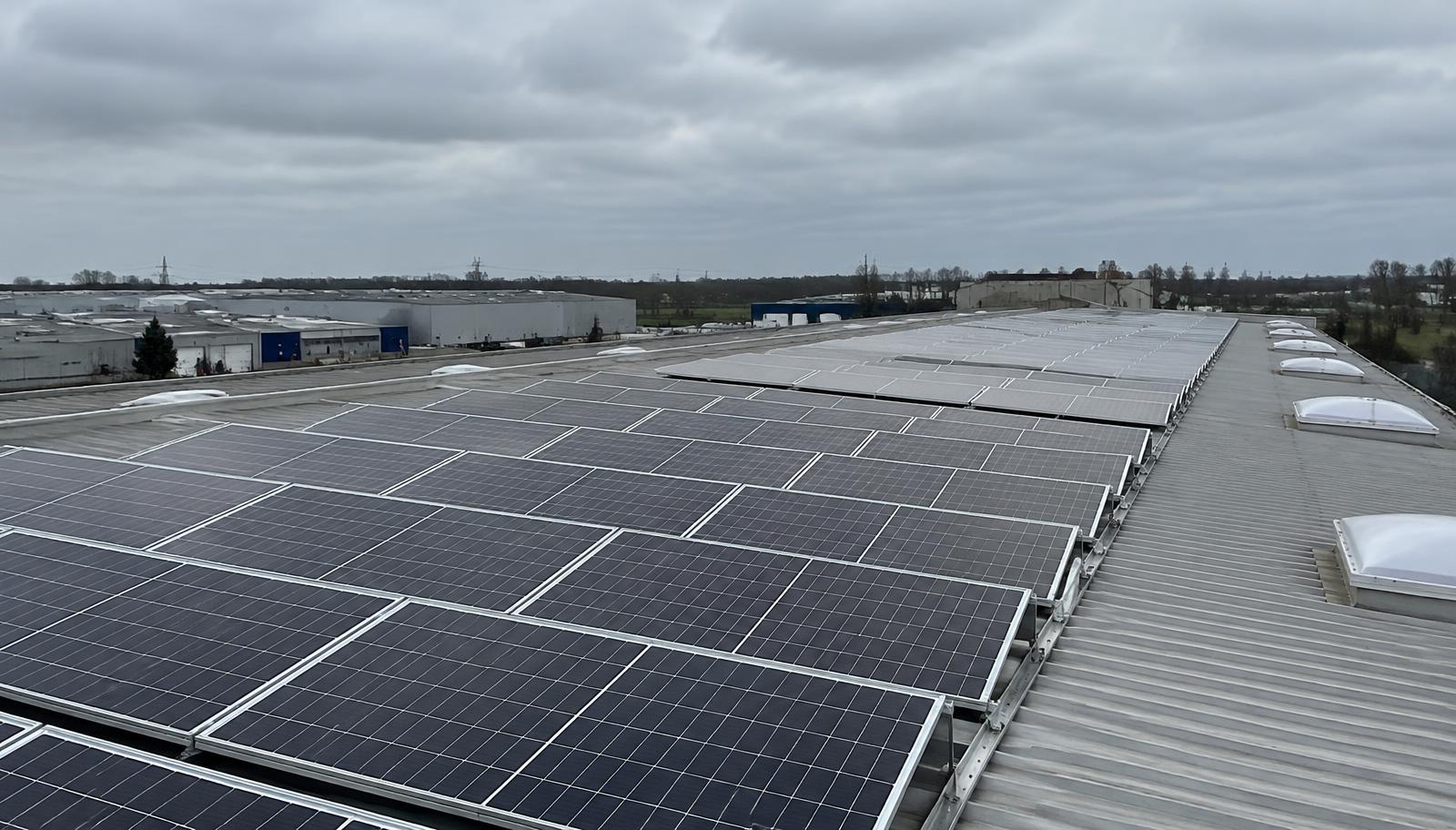
Solar photovoltaic equipment is classified for UK capital allowances purposes as special rate plant and machinery. That single classification drives everything else, because the reliefs available to special rate expenditure differ from those available to ordinary main rate plant.
This is the point most businesses miss when they read general commentary about full expensing. Headlines written for main rate equipment do not transfer cleanly to a rooftop solar array.
The two routes most businesses use
The first route is the Annual Investment Allowance. Within the AIA limit, qualifying expenditure can attract full relief in the year of spend, including special rate assets such as solar. For a large number of commercial rooftop projects this covers the whole system.
The second route applies where spend exceeds the AIA limit or the AIA is already committed elsewhere. Special rate expenditure typically attracts a first year allowance of 50%, with the remaining balance entering the special rate pool and being written down over time.
- Check how much AIA is already committed across the group before planning the project
- Confirm the accounting period the expenditure falls into, because timing drives the claim
- Separate the qualifying plant from non qualifying works such as certain structural elements
- Ask the accountant to model the year one position before the order is placed
How funding changes the picture
The funding structure decides who is entitled to claim. On a hire purchase agreement the business is generally treated as acquiring the asset and can normally claim allowances on the capital element, even though it pays over time. That combination of relief now and payment spread is a large part of why hire purchase is common on energy projects.
On an operating lease the funder usually retains ownership and the allowances, and the business claims the rentals against profit instead. On a Power Purchase Agreement there is no asset purchase at all, so there are no allowances for the host business to claim.
None of this is tax advice. It is the commercial shape of the decision, and it should be confirmed with the business's own accountant before commitment.
What this means in practice
Two businesses can buy identical solar arrays and end up with very different year one cash positions purely because of allowance planning and funding choice. The equipment quote is rarely the part that decides the outcome.
GRID looks at the power case first, then at how the project is paid for, so the tax position and the cash position are considered together rather than after the fact.
Common questions
Do solar panels qualify for capital allowances in the UK?
Yes. Commercial solar photovoltaic equipment is treated as special rate plant and machinery, so it qualifies for capital allowances. The relief available depends on the Annual Investment Allowance position and whether a first year allowance applies.
Does full expensing apply to commercial solar?
Solar is special rate expenditure, so the headline 100% full expensing rules written for main rate plant do not apply in the same way. Special rate assets are generally dealt with through the Annual Investment Allowance or a 50% first year allowance with the balance pooled.
Can I claim capital allowances if I finance the solar system?
On hire purchase the business is generally treated as acquiring the asset and can normally claim on the capital element. On a lease where the funder retains ownership, the funder usually claims and the business deducts the rentals. Confirm the position with your accountant.
Are capital allowances available under a Power Purchase Agreement?
Not for the host business. Under a PPA the provider owns the generation equipment, so the host is buying electricity rather than acquiring an asset.
More insight
- GRID adds Power Purchase Agreements to its UK energy routes
GRID now helps UK businesses compare a commercial Power Purchase Agreement with solar and energy asset finance before committing to a route.
- Grid connection delays: the line item that breaks UK energy project budgets
Why DNO connection timescales and supply upgrade costs derail UK solar, battery and EV charging projects, and how businesses plan funding around them.
- Funding workplace EV charging: costs, grants and the practical route
What workplace and depot EV charging really costs in the UK, how the Workplace Charging Scheme fits, and how businesses fund chargepoints without a capital hit.