
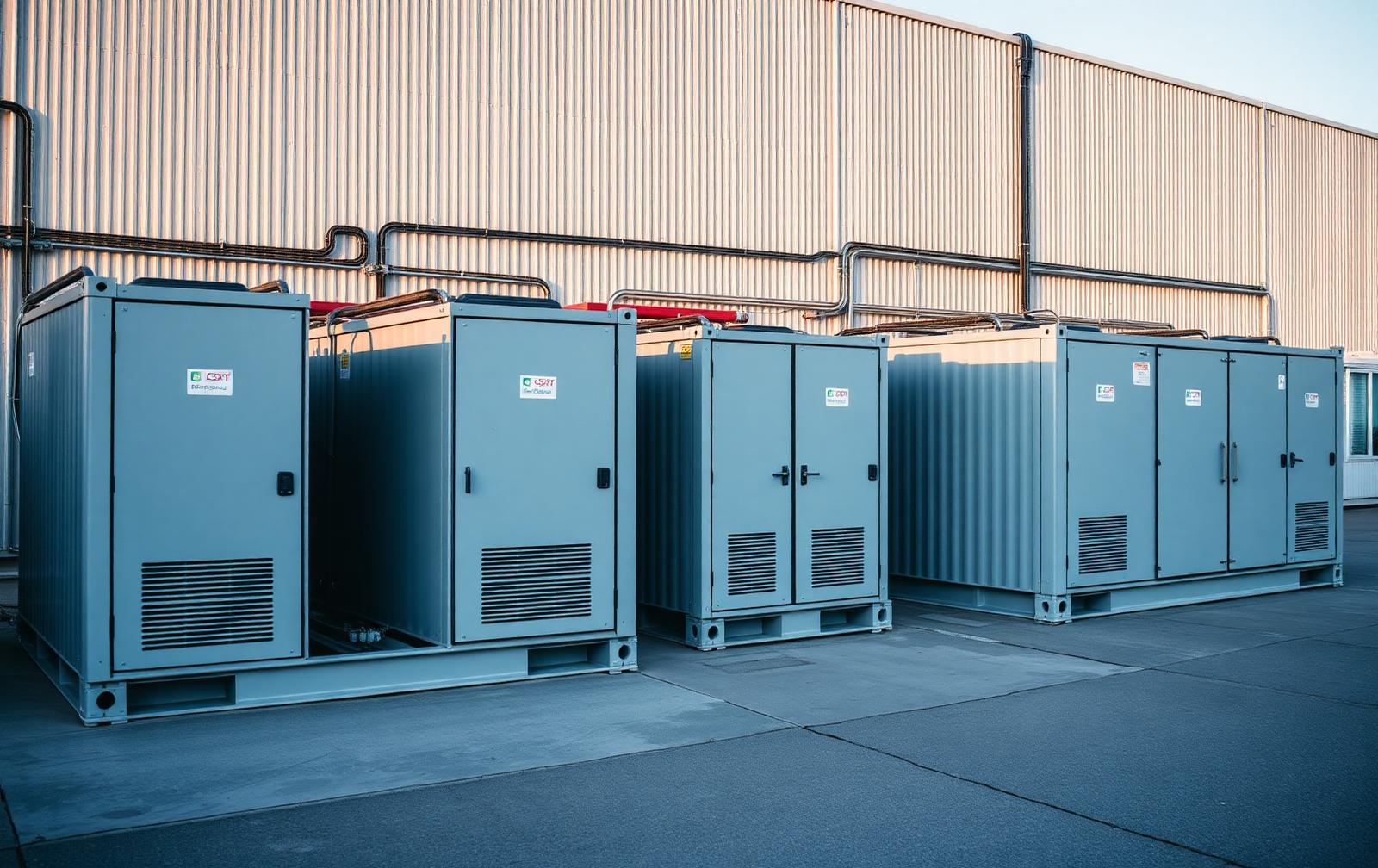
Battery Storage Finance
Storage that earns its keep, funded on what it actually saves.
Batteries do several jobs at once: shaving peak demand, firming solar, keeping the line running through a dip. Funding has to respect all of them.
Typical project size , £100,000 – £5,000,000
What usually gets in the way
- BESS business cases stack multiple revenue and saving streams, and most lenders only understand one.
- Capacity charges and red-band demand hit the bill long before capital approval arrives.
- Import limits stall projects that would otherwise pay for themselves.
Why businesses finance it
- Convert a large capital ask into a monthly cost below the avoided demand charge.
- Deploy now while the tariff spread is worth capturing.
- Fund the enabling works, switchgear, protection, civils, not just the cabinet.
How GRID helps
Structured by people who read the load profile first.
We model against your half-hourly data and capacity charges, not a generic saving percentage.
We understand the difference between behind-the-meter peak shaving and grid-service revenue.
We fund the full scope including transformers, protection and controls.
Example projects
Real shapes, real structures.
Food producer, 1MW / 2MWh
Peak shaving against triad-style demand charges plus UPS resilience.
Logistics hub, 500kW
Firming depot charging so the site avoided a costly grid upgrade.
Industrial park, 2MWh
Shared storage funded across a landlord and two tenants.
Another commercial route
Compare ownership with a Power Purchase Agreement
Finance is not the only way to deliver an energy project. A PPA can avoid the upfront asset purchase in exchange for a long term agreement to buy the power produced.
Explore Power Purchase AgreementsOther project types we fund
Go deeper
Guides on this kind of project
Battery storage finance: a project we funded
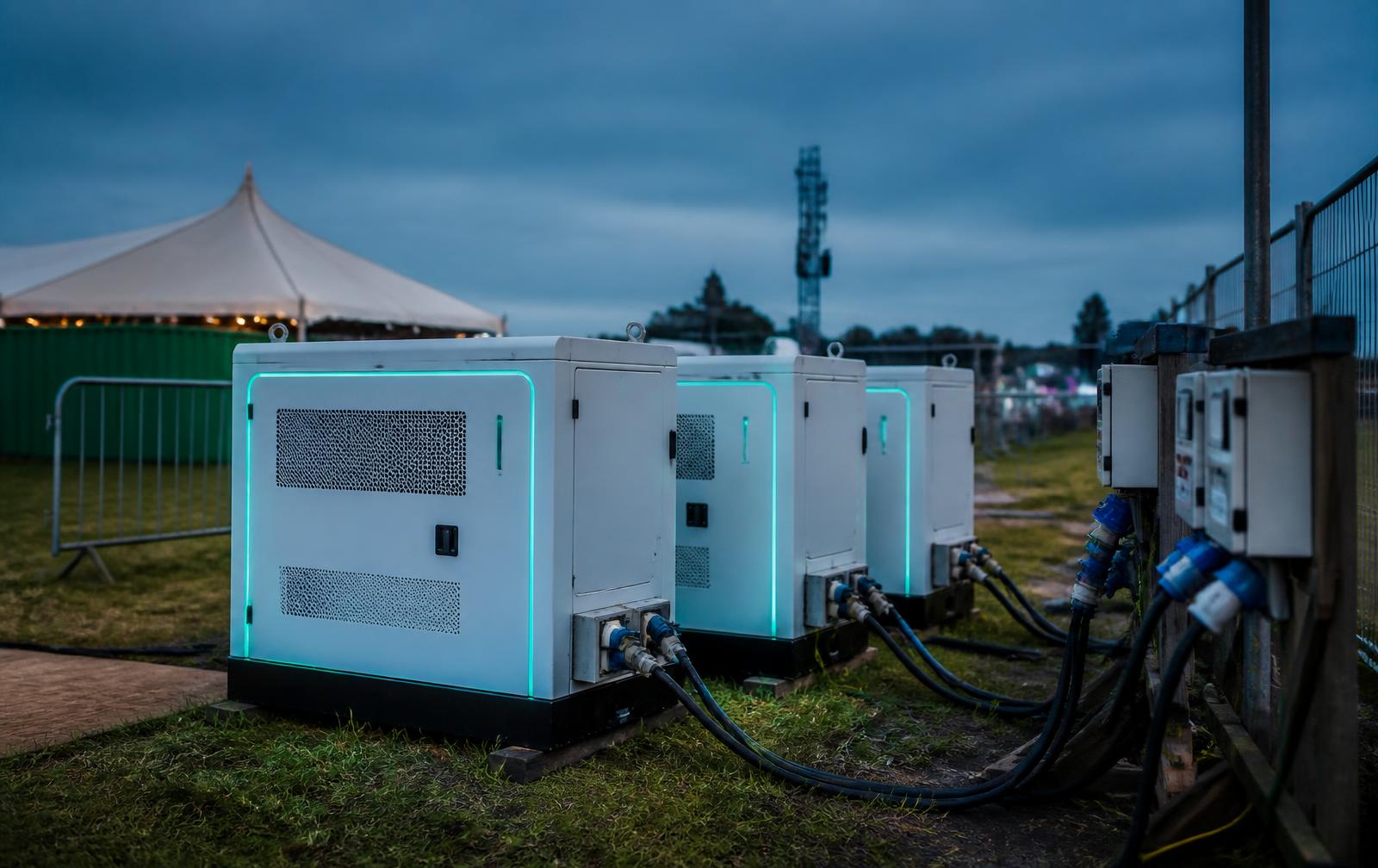
Three battery power units that took the generators off tick-over
We funded three battery power units for a national events business on a VAT only deposit, after reading a full season of generator run data.
FAQs
Battery Storage Finance: common questions
Practical answers on structure, cost and what funders look at. Call 01604 969123 if your question is not covered.
Can you finance a commercial battery energy storage system?
Yes. Battery energy storage is fundable as an asset, normally on hire purchase or lease over a term set against the life of the system and the savings it produces. We fund the full scope where possible, including the cabinet, inverters, transformers, protection, controls and installation works, rather than the hardware line alone.
How is battery storage finance structured?
The usual structure is a deposit, then fixed monthly or quarterly repayments across a term of five to ten years. Where the project is phased, drawdowns can be staged so money moves as the installation moves. The aim is a monthly cost that sits below the demand charges, capacity charges and imported units that the battery removes.
How much does a commercial battery storage system cost?
Cost depends on power rating in kW, storage capacity in kWh, the switchgear and protection required, and how much civil work the site needs. Two systems with the same headline kWh figure can differ substantially once the connection works are priced. We look at the quoted scope before talking about monthly figures so the numbers reflect the real project.
Does the battery need to pay for itself for finance to work?
It does not have to, but the strongest cases are the ones where it broadly does. When we model against your half hourly data, capacity charges and load profile, we can show a funder an operating case rather than an equipment invoice, and that usually improves both the appetite and the terms.
Can battery storage be funded alongside solar?
Yes, and it is common. Storage and generation are stronger together because the battery firms the solar output and shifts it into the hours the site actually needs it. Funding both in one facility keeps the paperwork and the repayment profile simple.
What if my grid connection is delayed?
That is a normal part of energy projects and it needs planning for rather than ignoring. We structure drawdowns around DNO timelines so equipment is not being repaid while it sits waiting for energisation.