STEP 0101/04
Tell us what you are building
The site, the operation and what you want the project to fix. Five minutes on the phone, not an afternoon of forms. No data room, no portal login.

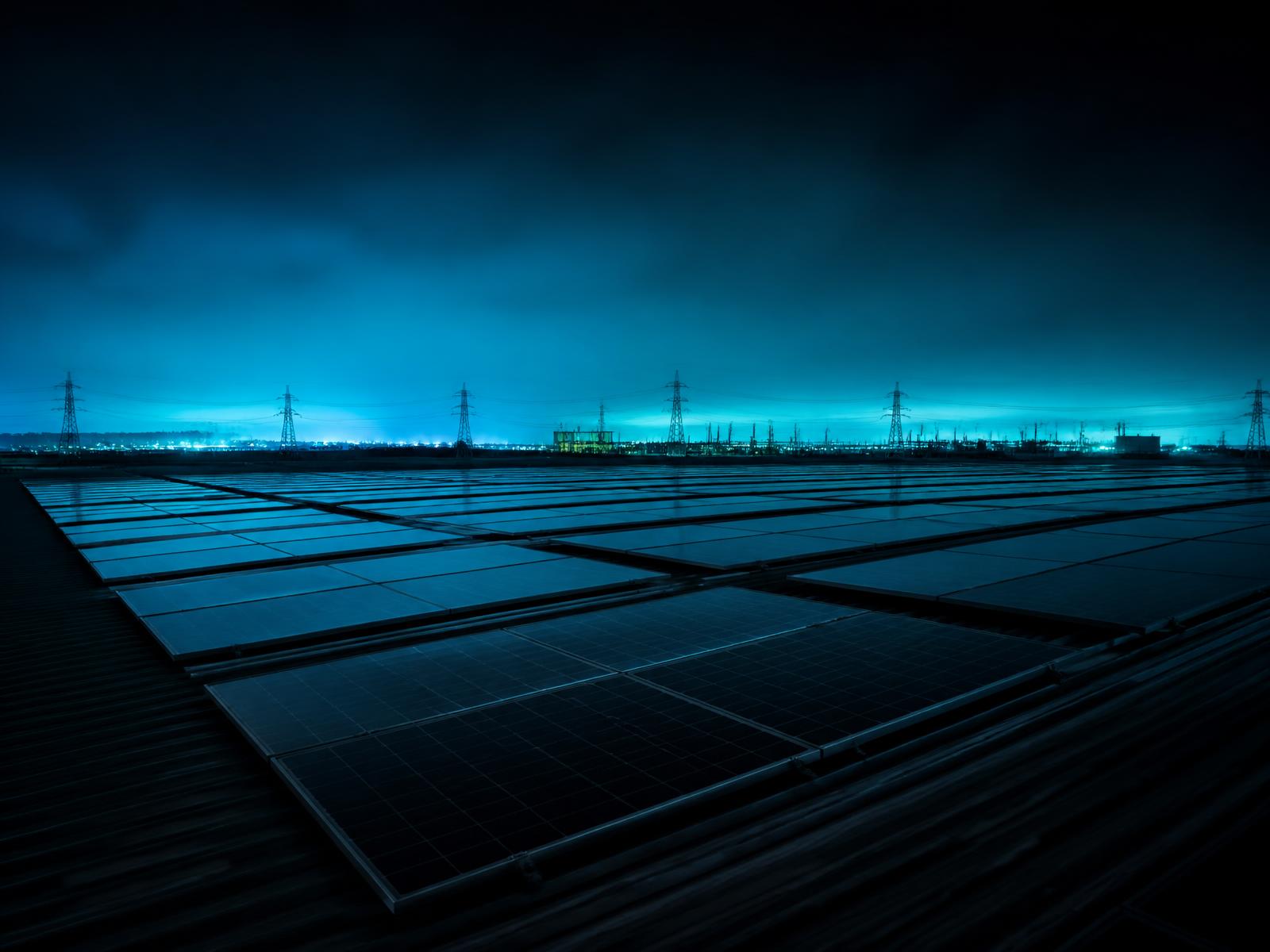
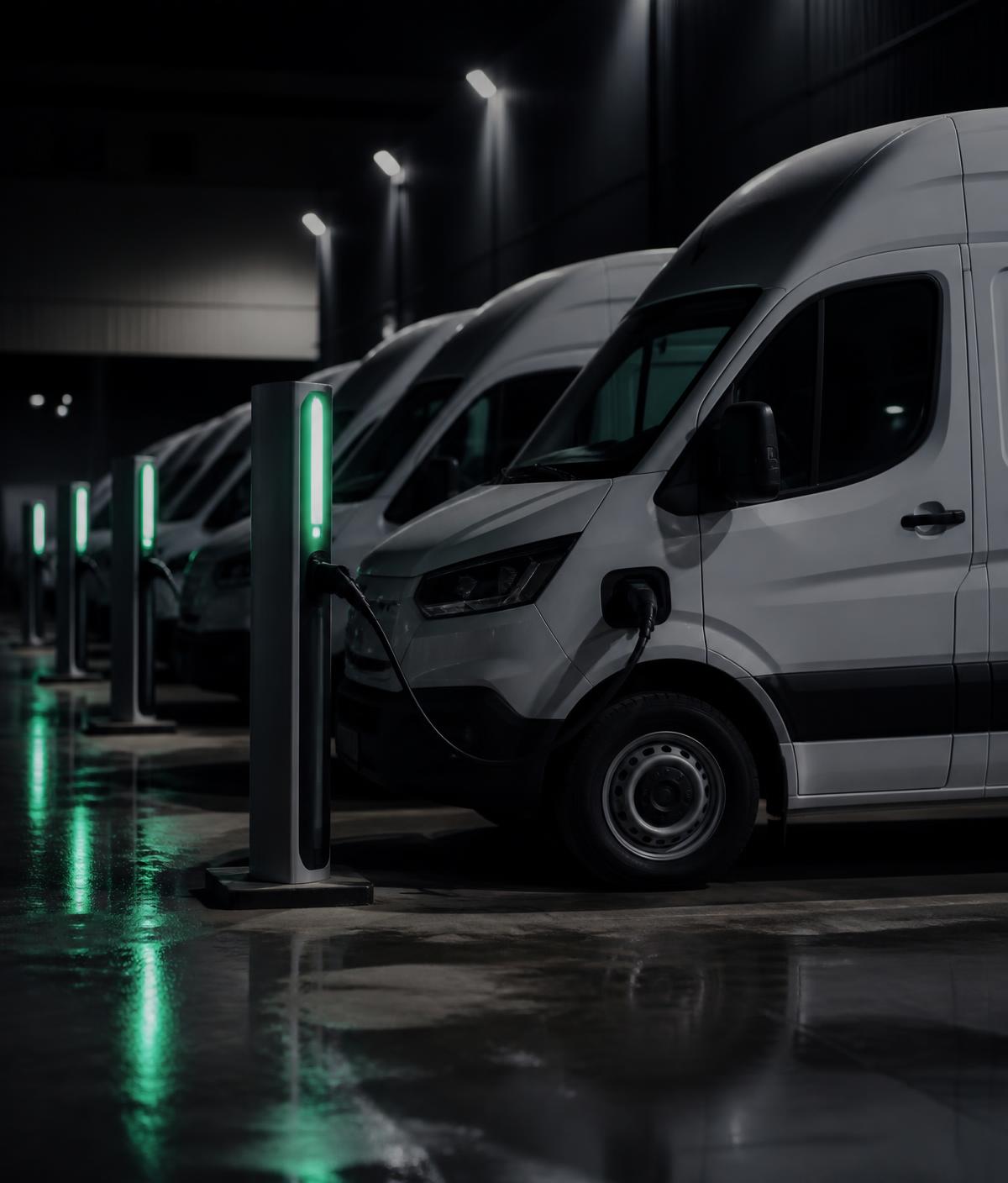
Commercial solar, battery storage, EV fleets, depot charging and the electrical infrastructure behind them. We work out what your project needs to do, then structure the funding around it.
Start here
Pick the project you are looking at: commercial solar, battery storage, EV charging or the infrastructure behind them. One of three funding routes usually fits, and for some sites the stronger answer is not owning the asset at all.
OUR PROCESS
Most finance conversations open with how much do you want to borrow. That question tells you nothing about whether the project is worth doing. We start at the other end.
What it makes, how it runs and where energy cost actually bites.
Roof, yard, supply capacity, connection position and what the DNO will allow.
Load shape, shift patterns, vehicle duty cycles, resilience needs.
What is being specified, by whom, and whether it suits the job.
Cost reduction, capacity, compliance, growth or all four.
Only once the project makes sense do we talk about how to pay for it.
We understand power
You shouldn't have to explain what a capacity charge is to the person funding your battery. We start from the engineering.
We read half-hourly data before we talk terms. Load shape decides whether a project actually pays.
Capacity and demand charges are usually the real cost driver, not the unit rate. We structure around them.
Import limits, export limits and DNO timelines shape drawdowns. We plan funding around energisation.
Payback stacks savings, avoided charges and sometimes revenue. We underwrite all of it.
Switchgear, protection, civils and controls are part of the project. They get funded like it.
Phased installs slip. Commissioning dates move. Our structures assume the real world.
Why finance a project like this
Very few businesses finance energy infrastructure because they have to. They do it because the capital is worth more somewhere else in the business.
The cash stays in stock, people and the day to day running of the business.
A known monthly cost, usually set against the energy cost the project removes.
Projects get built at today's prices rather than waiting for next year's budget.
Bank facilities and overdraft headroom stay free for the opportunities you cannot plan for.
Work it out yourself
Three working tools built on real UK market figures. Sanity-check an installer quote, size the kit for your site and see which route is likely to fit, before you speak to anyone.
How it works
The site, the operation and what you want the project to fix. Five minutes on the phone, not an afternoon of forms. No data room, no portal login.
25% complete
In their words
“They asked for our half-hourly data before they asked for our accounts. That told us everything about who we were dealing with.”
Finance Director
Food manufacturer, West Midlands
£680k, solar + BESS
“The vans, the chargers and the supply upgrade all landed on one agreement. Nobody else would look at it as one project.”
Operations Director
Logistics operator, North West
£1.4m, depot electrification
“We had a structure back the next morning. Not a brochure, an actual view on what it would cost and what happens next.”
Managing Director
Civil engineering contractor
£240k, hybrid site power
Industries
Different operations, different load shapes, different constraints. We have spent enough time in each to ask useful questions in the first call.
High, steady daytime load and constant pressure on unit cost.
Depot charging, roof space and fleet transition all at once.
Big roofs, refrigeration load and long lease horizons.
Temporary power, hybrid systems and tender emissions targets.
Landlord assets, EPC pressure and tenant recharge models.
Vehicles, depot power and total cost of ownership maths.
FAQs
The practical detail behind funding battery storage, solar and power infrastructure. There are more on the FAQs page.
Asset finance lets a business use equipment now and pay for it over an agreed term instead of buying it outright. A funder pays the supplier, you take delivery, and you repay monthly or quarterly over a period that usually runs from two to ten years depending on the asset. At the end of a hire purchase agreement you own the asset. On a lease you either return it, extend, or agree a purchase, depending on the structure.
Hire purchase is a route to ownership. You pay a deposit, repay the balance plus interest, and title passes to you at the end, which usually suits businesses that want the capital allowances and long term ownership of energy assets. A finance lease keeps title with the funder and can be lighter on the initial cash outlay, with rentals treated differently for tax. Which one is right depends on your tax position and how long you expect to run the asset, so it is worth checking with your accountant before signing.
Deposits vary by asset, term and the strength of the business. Well supported deals on established equipment can be arranged on a VAT only deposit, while newer technology or younger businesses often need a larger contribution. We tell you where a deal is likely to land before you spend time on paperwork.
Yes. Solar and storage are usually funded as one project rather than two agreements, which normally gives a cleaner structure and a single set of repayments. It also means the installation, inverters, switchgear, protection and civils sit inside the same facility rather than being paid for separately out of working capital.
Often, yes. On energy projects the hardware is rarely the whole cost, so we look to fund enabling works such as switchgear, protection, trenching, mounting systems and commissioning alongside the main asset. Funders take a view on the soft cost proportion, which is one of the reasons the scope of works matters when we put a case together.
For straightforward cases with clean accounts, an indicative decision usually comes back within one working day, and full documentation typically follows within a few days once we have the supporting information. Larger or staged projects take longer because the funder is reading a project, not just an invoice.
A conversation, not an application
Start with the project, not the paperwork. Tell us about the site, the equipment you are considering and what you want it to achieve. We come back within 24 hours with a clear view on how it could be funded, and an honest answer if it does not stack up.
Or call us on 01604 969123