On-site PPA
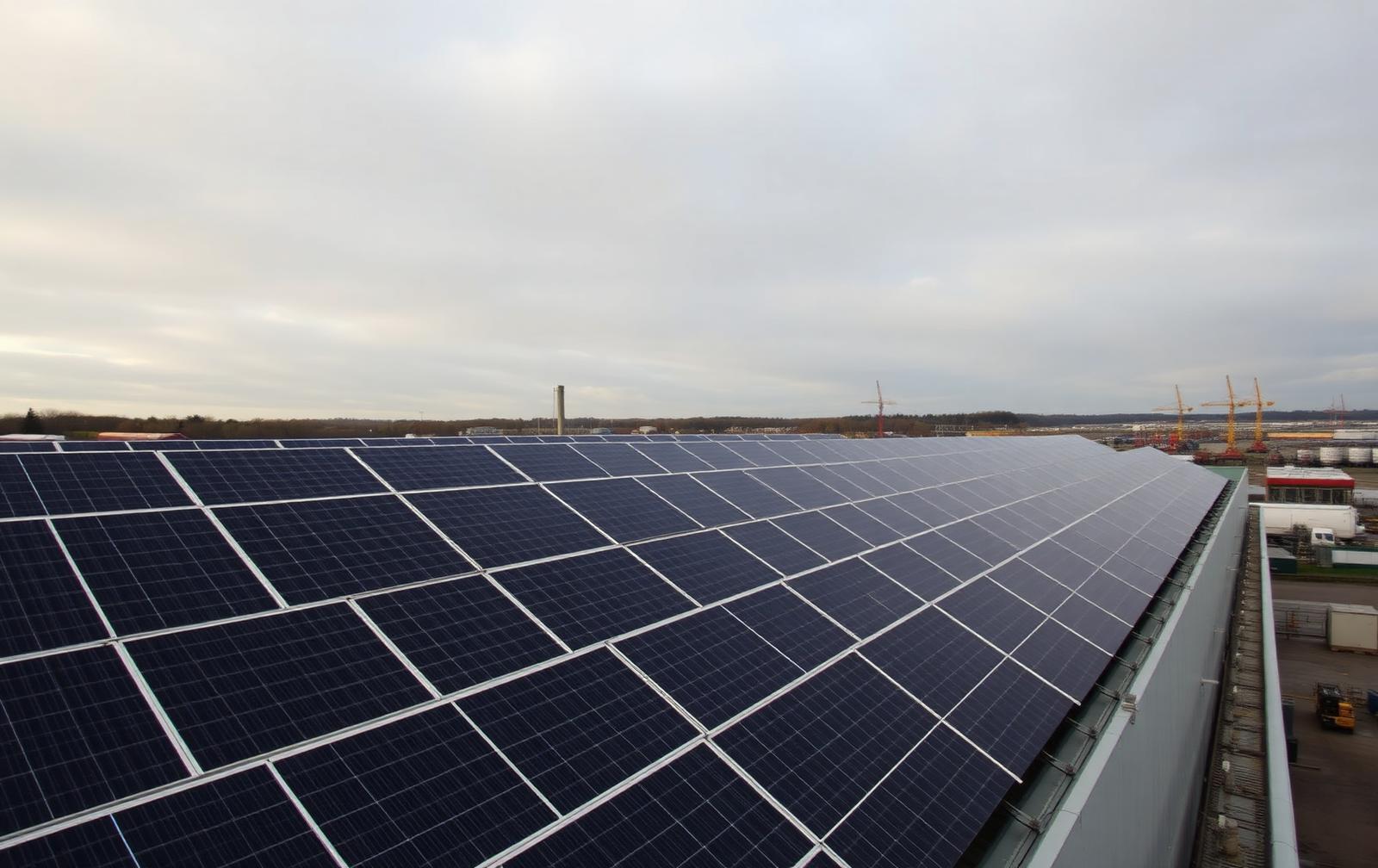
A specialist provider funds, installs and owns generation on or beside your premises. Your business buys the electricity it produces under an agreed price structure, while grid electricity covers any shortfall.
Power Purchase Agreements
A commercial PPA can bring renewable generation to your site without buying the equipment. GRID compares that route with ownership and finance before you commit.
PPA explained
A Power Purchase Agreement is a long term contract to buy electricity from a generation project at an agreed price or pricing formula. For an on-site solar PPA, a specialist provider normally funds, installs and owns the system. Your business buys the electricity it produces and retains its capital for the operation.
A specialist provider funds, installs and owns generation on or beside your premises. Your business buys the electricity it produces under an agreed price structure, while grid electricity covers any shortfall.
Electricity comes from a renewable generator elsewhere and is delivered commercially through the public network, usually with a licensed supplier managing balancing and settlement.
A financial contract settles the difference between an agreed strike price and the market price. Power is not physically delivered from the named generator to your site.
PPA or finance
| Decision | PPA | Asset finance |
|---|---|---|
| Upfront capital | Usually none for the generation asset | Deposit, VAT or agreed contribution |
| Asset ownership | Specialist provider | Your business or the funder, depending on structure |
| What you pay | Agreed price for electricity generated | Fixed repayments for the equipment |
| Typical commitment | Long term energy supply contract | Finance term linked to the asset life |
| Performance risk | Typically sits mainly with the provider | Typically sits mainly with your business |
| End position | Depends on the PPA and site agreement | Ownership or agreed lease outcome |
Accounting, tax and balance sheet treatment depends on the final contract and your circumstances. Confirm it with your professional advisers.
How GRID helps
We read the site before recommending a commercial route. That means half hourly data, tariff position, generation yield, self-consumption, property tenure and grid constraints, not just a supplier proposal.
GRID Asset Finance provides commercial energy consultancy and acts as an introducer to specialist PPA providers. GRID does not generate or supply electricity and is not a party to the PPA. We may receive a fee if an introduction completes. Contract terms, pricing and eligibility are set by the provider. Businesses should take independent legal, tax and accounting advice before entering a long term energy contract.
Related routes
FAQs
The commercial points businesses should understand before comparing a PPA contract with ownership.
A Power Purchase Agreement, or PPA, is a long term contract under which a business buys electricity from a generation project at an agreed price or pricing formula. In an on-site commercial solar PPA, a specialist provider normally funds, installs and owns the solar system while the occupier buys the electricity it generates.
The provider assesses the site and consumption profile, funds the solar installation and sells the electricity generated to the host business under a PPA contract. The business continues to buy any additional power it needs from its normal electricity supplier. The detailed price, indexation, term, access rights and end-of-term position are set in the contract.
No. With solar finance, your business funds the equipment through hire purchase, lease or another facility and carries the obligations of that structure. Under an on-site PPA, another party normally owns the equipment and your business pays for the electricity it produces. GRID can assess both routes before recommending which deserves closer consideration.
A private wire PPA supplies electricity from generation on or close to the site through a direct connection. A sleeved PPA uses the public network and a licensed supplier to manage delivery, balancing and settlement between an off-site generator and the buyer.
Potentially. Storage can increase the amount of on-site generation used by the business and can help manage peaks, but its ownership, operating strategy and value need to be explicit. GRID assesses the load profile and project objective before deciding whether storage strengthens the PPA or is better funded separately.
Check the electricity price and indexation, minimum purchase obligations, contract length, roof or land rights, maintenance responsibilities, performance guarantees, change-of-control provisions, early termination costs and the end-of-term position. Legal, tax and accounting advice should be taken on the final contract.
No. GRID provides the initial commercial and energy assessment, compares a PPA with ownership and finance routes, and introduces suitable businesses to specialist PPA providers. GRID may receive a fee if an introduction completes.
A conversation, not an application
Start with the project, not the paperwork. Tell us about the site, the equipment you are considering and what you want it to achieve. We come back within 24 hours with a clear view on how it could be funded, and an honest answer if it does not stack up.
Or call us on 01604 969123