Sector insight
Grid connection delays: the line item that breaks UK energy project budgets
Connection reform has changed how projects queue for capacity. For commercial sites the practical risk is unchanged: the grid connection decides the programme and often the budget.
3 September 2026 · GRID Asset Finance · 7 min read
Reform has changed the queue, not the site level reality
Great Britain has moved its connections queue away from first come, first served towards a readiness based approach, with the aim of clearing speculative projects that were holding capacity. Ofgem and the system operator have both acknowledged that delivery of that reform has been uneven, with missed deadlines and offer accuracy problems reported during the transition.
For a distribution connected commercial site, the headline reform matters less than a simpler question: how much capacity does this site already have, and what does it cost to get more.
Where the cost actually appears
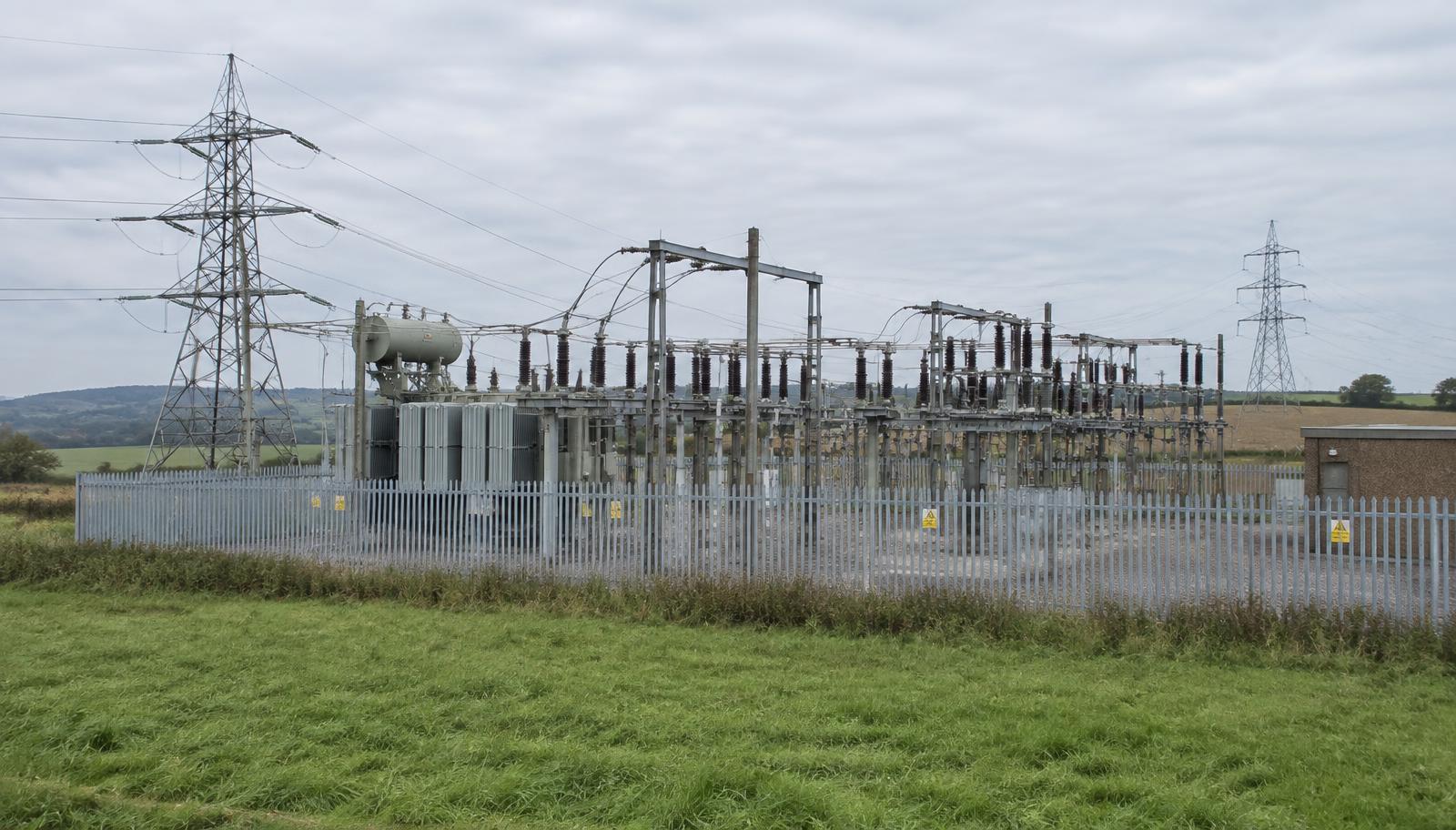
Businesses usually budget for panels, batteries or chargepoints. The line that moves the budget is the network side. A new or uprated supply can involve a transformer, cabling, civils, road works and a network reinforcement contribution.
On an EV charging project in particular, the cost of getting enough power to the site can exceed the cost of the chargers themselves. On a battery project, export capacity is the constraint that determines which revenues are even available.
- Existing supply capacity in kVA and the headroom actually available at peak
- Whether the project needs export as well as import capacity
- Whether a G99 application is required and what the expected determination period is
- Whether load management or export limitation removes the need for an upgrade
Designing around the constraint
The cheapest kilowatt is often the one that is never needed. Smart charging schedules, staged chargepoint deployment, on-site generation and storage can all reduce the peak the network has to serve, which in turn can reduce or remove a reinforcement cost.
That is an engineering decision with a direct commercial consequence. It is the reason GRID looks at the site and the load profile before anyone discusses monthly payments.
Funding on a timeline you do not control
Connection dates move. A funding structure that assumes a fixed installation date creates avoidable pressure. Staged drawdowns, sensible payment start dates and clear supplier terms all reduce the risk of paying for equipment that cannot yet be energised.
Projects that plan for slippage rarely suffer from it. Projects that assume best case dates usually do.
Common questions
How long does a DNO connection take in the UK?
Timescales vary by network operator, site and the size of the connection. Small changes can be quick, while new or uprated supplies requiring reinforcement can run to many months. Treat the connection as the controlling item in the programme and apply early.
Why is a grid connection so expensive?
The quoted cost usually reflects network reinforcement, transformers, cabling and civil works rather than the equipment itself. Costs rise sharply where the local network has little headroom.
Can I avoid a supply upgrade?
Sometimes. Export limitation, load management, staged deployment of chargepoints and on-site storage can keep the site inside its existing capacity. It depends on the load profile, so it is worth modelling before applying.
More insight
- GRID adds Power Purchase Agreements to its UK energy routes
GRID now helps UK businesses compare a commercial Power Purchase Agreement with solar and energy asset finance before committing to a route.
- Capital allowances on commercial solar: what UK businesses actually claim
How capital allowances work on commercial solar in the UK, why solar sits in the special rate pool, and how the Annual Investment Allowance and the 50% first year allowance affect year one cash.
- Funding workplace EV charging: costs, grants and the practical route
What workplace and depot EV charging really costs in the UK, how the Workplace Charging Scheme fits, and how businesses fund chargepoints without a capital hit.