
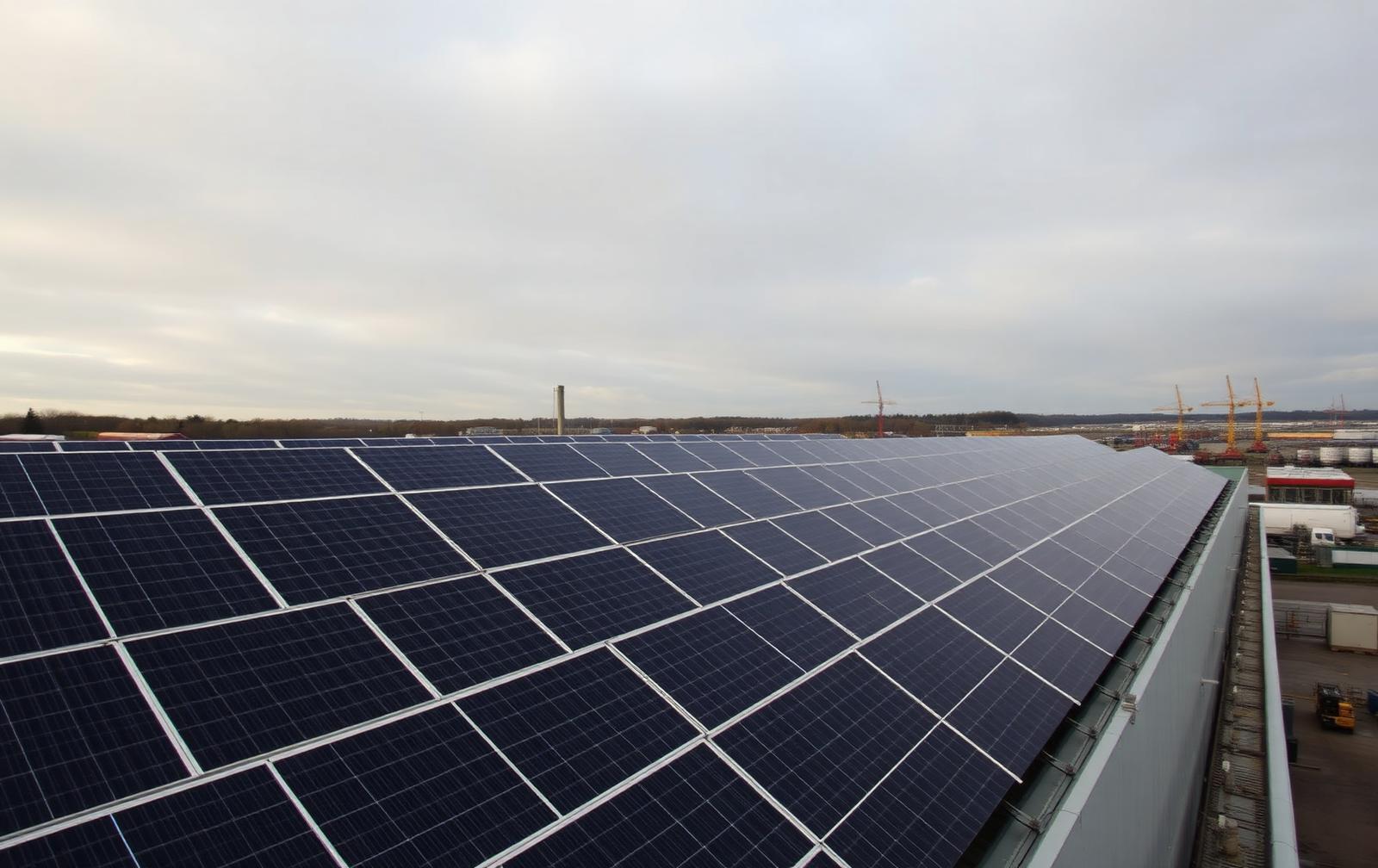
Solar Finance for Businesses
Commercial solar, funded around the payback, not the invoice.
Rooftop and ground-mount PV pays back over years. Installers want paying on commissioning. Finance sits in the middle, and it should be shaped around generation, not guesswork.
Typical project size , £50,000 – £2,500,000
What usually gets in the way
- A 250kWp roof array is a six-figure capital decision most finance directors keep deferring.
- Payback models assume day-one generation, but cash leaves the business months earlier.
- Generic lenders price solar like plant and machinery and miss the yield entirely.
Why businesses finance it
- Keep working capital in the operation rather than on the roof.
- Match repayments to the energy cost you stop paying each month.
- Preserve existing bank facilities and overdraft headroom.
How GRID helps
Structured by people who read the load profile first.
We read your generation model, half-hourly consumption and export position before we structure anything.
We size terms against realistic self-consumption, not brochure yields.
We handle staged drawdowns for phased installs and DNO-delayed connections.
Example projects
Real shapes, real structures.
Manufacturing rooftop, 480kWp
High daytime load, strong self-consumption, funded over 7 years alongside a lighting upgrade.
Cold store, 300kWp + inverters
Refrigeration load profile matched almost perfectly to generation curve.
Ground-mount on surplus land, 900kWp
Split funding across array, groundworks and connection works.
Another commercial route
Compare ownership with a Power Purchase Agreement
Finance is not the only way to deliver an energy project. A PPA can avoid the upfront asset purchase in exchange for a long term agreement to buy the power produced.
Explore Power Purchase AgreementsOther project types we fund
Go deeper
Guides on this kind of project
Solar finance: a project we funded
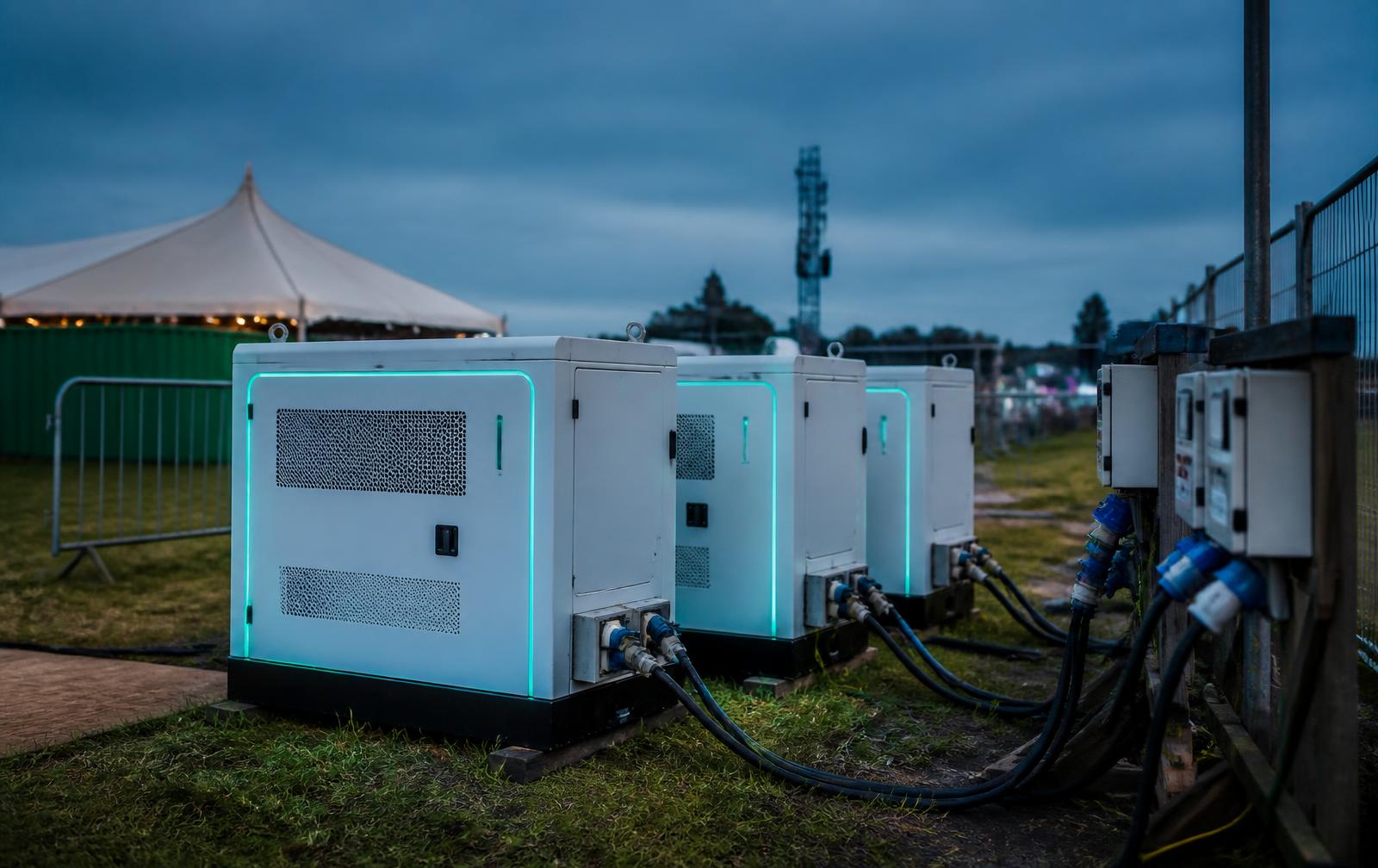
Three battery power units that took the generators off tick-over
Storage is often what makes a generation project pay. Our battery power unit case study shows how the saving case was written for the funder.
FAQs
Solar Finance for Businesses: common questions
Practical answers on structure, cost and what funders look at. Call 01604 969123 if your question is not covered.
Can a business finance commercial solar panels?
Yes. Rooftop and ground mount commercial solar is funded as an asset, typically over five to ten years, with the panels, mounting, inverters, protection and installation included in the facility. Ownership routes such as hire purchase suit businesses that want the asset and the allowances at the end of the term.
How much does commercial solar cost to finance per month?
The monthly figure depends on system size, total installed cost, deposit and term. The more useful comparison is the monthly repayment against the electricity cost the array removes, because a well sized system on a high daytime load site often sits close to cost neutral. Our repayment calculator gives an indicative figure, but it is an illustration and not a quotation.
Should solar be sized to self consumption or to roof space?
Self consumption, in almost every case. Filling a roof looks impressive but exporting cheaply is a much weaker return than displacing units you currently import. We read the half hourly consumption data before we look at the array size.
Can staged payments to the installer be funded?
Yes. Most commercial installs run on deposit, delivery and commissioning stages, and funding can be drawn to match. That keeps working capital in the business through the build.
Is solar finance available on a leased building?
It can be, but the lease term and the landlord position matter. Funders want the asset to be secure for the length of the agreement, so a short remaining lease or an unwilling landlord will limit the options. It is worth raising this at the start rather than after a survey.