EV infrastructure
Funding workplace EV charging: costs, grants and the practical route
Chargepoint hardware is the visible cost. Groundworks, power and software are where workplace charging budgets are won or lost.
27 August 2026 · GRID Asset Finance · 6 min read
What a workplace charging project is made of
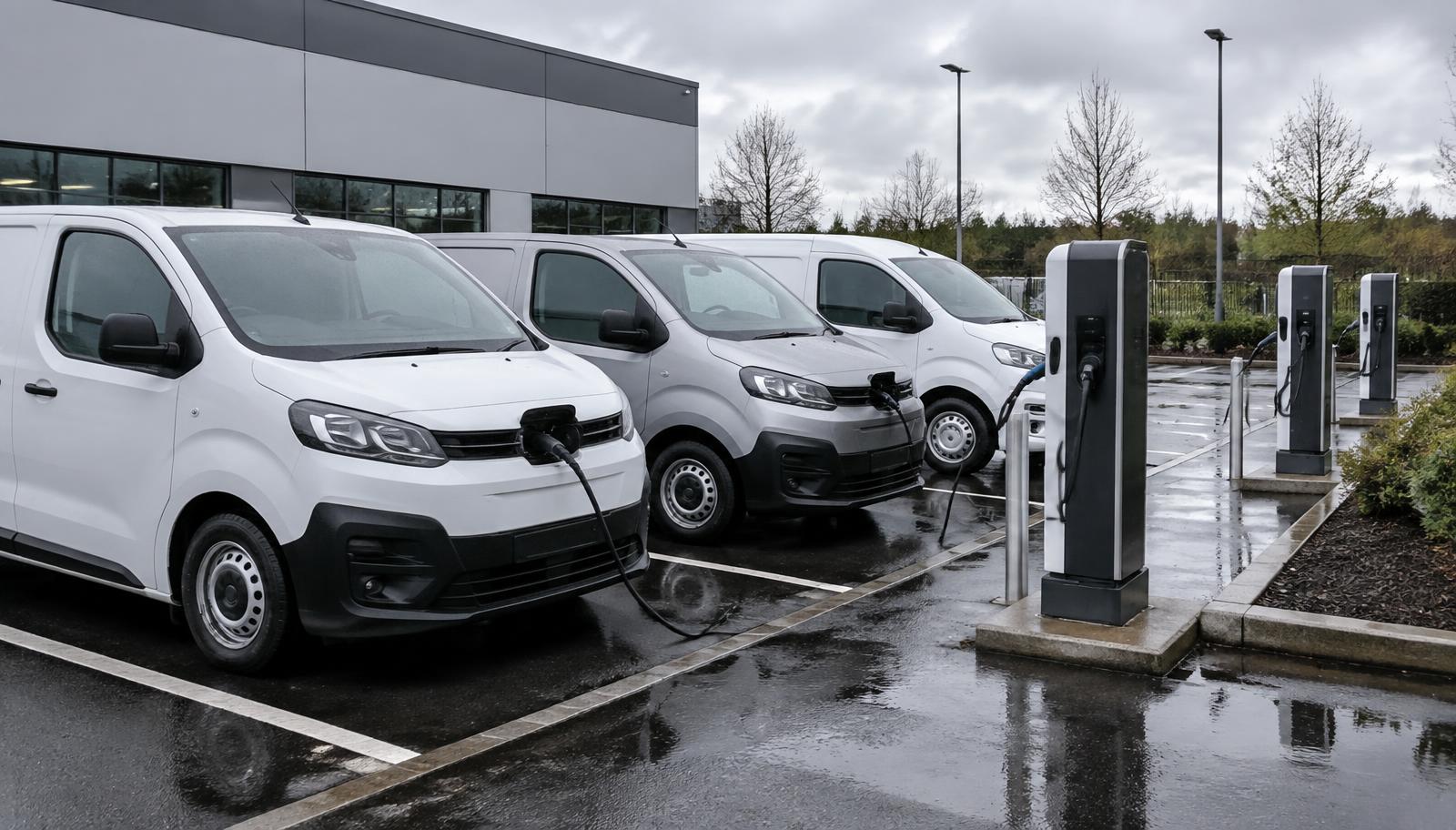
A workplace or depot charging project is four things: the chargepoints, the electrical infrastructure that feeds them, the civils that get cable into the ground, and the software that manages access, scheduling and billing.
Businesses comparing quotes on hardware price alone tend to be surprised twice. Once by the groundworks, and again by the network cost if the site needs more capacity.
Where grant support fits
The Workplace Charging Scheme is a voucher based contribution towards the purchase and installation of chargepoint sockets at eligible workplaces, capped per socket and limited to a maximum number of sockets per applicant. It is applied through an authorised installer and it reduces the invoice rather than paying the whole cost.
Grant terms change, so the current eligibility rules, caps and socket limits should always be checked on the relevant government guidance before a project is budgeted. What does not change is the shape of the decision: a grant lowers the number, it does not remove the need to fund the rest.
- Confirm eligibility and the current per socket contribution before quoting the project internally
- Use an authorised installer, since the scheme is claimed through them
- Budget separately for groundworks, ducting and any distribution board work
- Check whether the site needs a supply upgrade before committing to a socket count
Funding the balance sensibly
Charging infrastructure is long life plant that supports a fleet saving on fuel and maintenance. Paying for it entirely from working capital in year one puts the cost ahead of the benefit.
Financing the balance spreads the cost across the years the asset is used. For many fleets, the monthly cost of the infrastructure is comfortably covered by the difference between diesel and electricity.
Build for the fleet you will have
The common mistake is installing exactly enough sockets for today. The second phase then costs far more than it should, because the ducting, the cable route and the supply capacity all have to be revisited.
Installing infrastructure once and adding chargepoints in stages is usually cheaper over five years than installing twice.
Common questions
How much does it cost to install EV chargers at a workplace?
It depends far more on the site than the hardware. Chargepoints are a known cost, but groundworks, cable runs, distribution board work and any supply upgrade drive the total. Sites with spare capacity and short cable routes are considerably cheaper.
What is the Workplace Charging Scheme?
It is a UK government voucher scheme that contributes towards the purchase and installation cost of chargepoint sockets at eligible workplaces, capped per socket and limited to a maximum number of sockets per applicant. It is claimed through an authorised installer.
Can workplace EV charging be financed?
Yes. Chargepoints and the associated infrastructure can normally be funded on hire purchase or lease, spreading the cost over the working life of the equipment rather than taking it in one year.
More insight
- GRID adds Power Purchase Agreements to its UK energy routes
GRID now helps UK businesses compare a commercial Power Purchase Agreement with solar and energy asset finance before committing to a route.
- Capital allowances on commercial solar: what UK businesses actually claim
How capital allowances work on commercial solar in the UK, why solar sits in the special rate pool, and how the Annual Investment Allowance and the 50% first year allowance affect year one cash.
- Grid connection delays: the line item that breaks UK energy project budgets
Why DNO connection timescales and supply upgrade costs derail UK solar, battery and EV charging projects, and how businesses plan funding around them.