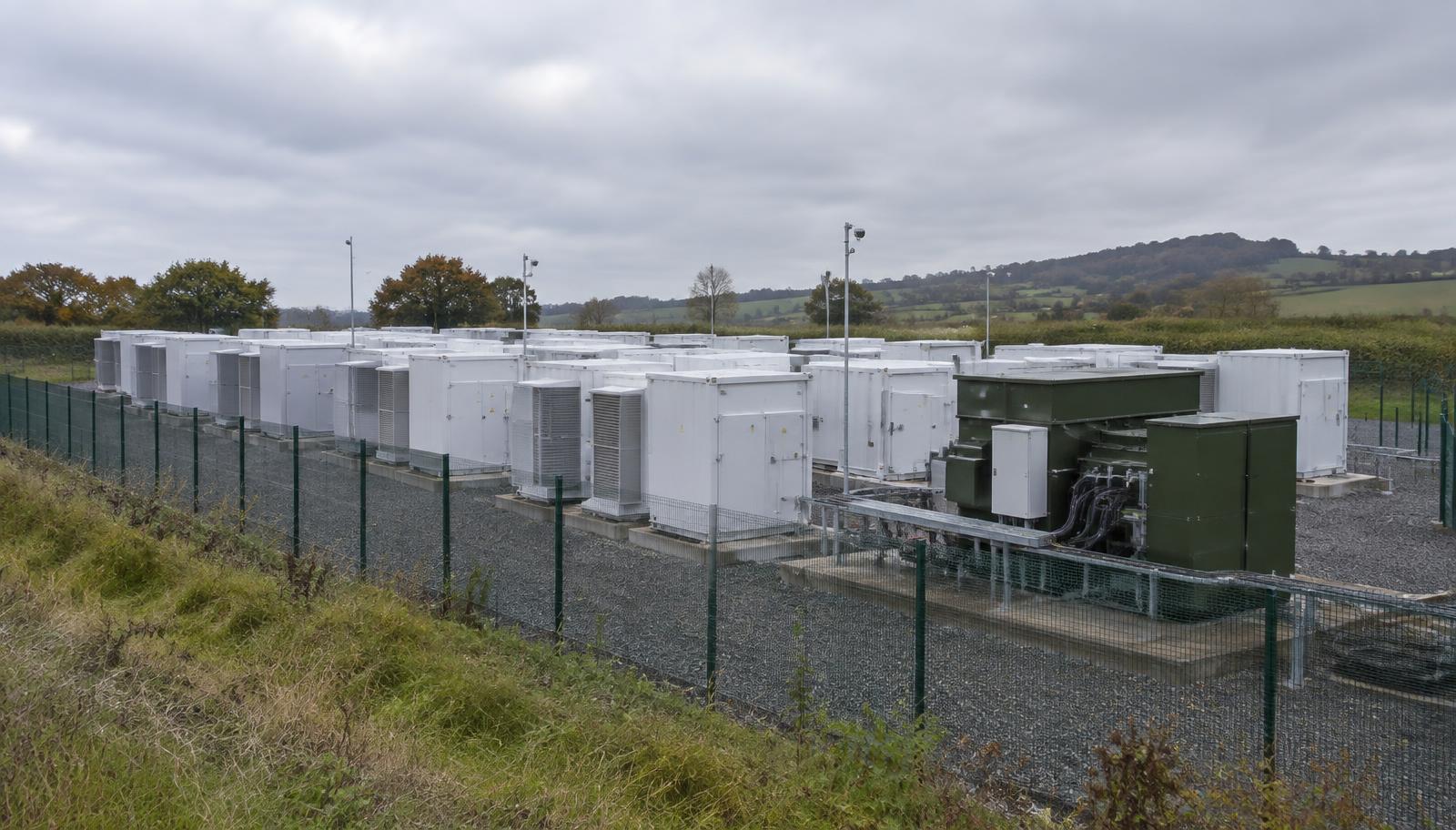
Battery storage
How commercial battery storage earns its keep in the UK
A battery earns from several places at once. Understanding which of those are savings and which are market revenues is the difference between a fundable project and a hopeful one.
12 August 2026 · GRID Asset Finance · 7 min read
Savings first, revenues second
Battery storage on a commercial site earns in two different ways. It avoids costs the business would otherwise pay, and it can earn revenue from energy markets and system services. The two are not equally reliable.
Avoided cost is grounded in the site's own consumption and tariff. Market revenue depends on prices, competition between assets and the services being procured at the time. Any business case that leans on the second to justify the asset should be examined carefully.
The behind the meter stack
For most commercial sites the core case is built from three things: shaving the site peak, shifting consumption away from expensive periods, and storing on-site generation for use later in the day.
Each of those is measurable in advance from the site's own data, which is exactly why funders take them seriously.
- Peak shaving reduces the maximum demand that drives capacity related charges
- Load shifting moves consumption from higher cost periods to cheaper ones
- Solar time shifting raises self consumption on sites that generate more than they use at midday
- Resilience value where an outage would stop production or spoil stock
Where grid services fit
Larger assets with the right connection and control systems can participate in balancing and flexibility services. Those revenues are real, but they are competitive and they move. Recent UK commentary on the connections queue has also made clear how much battery capacity is progressing, which matters for anyone assuming today's service prices will persist.
The sensible treatment is to build the case on savings, and treat market revenue as improvement rather than foundation.
What this means for funding
A funder is assessing whether the business can service the agreement, with the asset as security. Predictable avoided costs strengthen that picture. Speculative revenue assumptions weaken it.
Projects that arrive with half hourly data, a clear peak analysis and a conservative view of market revenue tend to move faster and price better than projects that arrive with a supplier's best case spreadsheet.
Common questions
How does commercial battery storage make money in the UK?
Mostly by avoiding cost: reducing peak demand charges, shifting consumption to cheaper periods and increasing the share of on-site solar that is used rather than exported. Larger assets with suitable connections can also earn from balancing and flexibility services.
What is revenue stacking?
Combining several benefits from the same battery, such as peak shaving, load shifting and grid services, so the asset earns from more than one source. The stack must be technically compatible, because the battery cannot be in two places at once.
Can battery storage be financed in the UK?
Yes. Commercial battery systems are commonly funded on hire purchase or lease over terms that reflect the working life of the asset, so the cost can sit against the savings it produces.
More insight
- GRID adds Power Purchase Agreements to its UK energy routes
GRID now helps UK businesses compare a commercial Power Purchase Agreement with solar and energy asset finance before committing to a route.
- Capital allowances on commercial solar: what UK businesses actually claim
How capital allowances work on commercial solar in the UK, why solar sits in the special rate pool, and how the Annual Investment Allowance and the 50% first year allowance affect year one cash.
- Grid connection delays: the line item that breaks UK energy project budgets
Why DNO connection timescales and supply upgrade costs derail UK solar, battery and EV charging projects, and how businesses plan funding around them.